

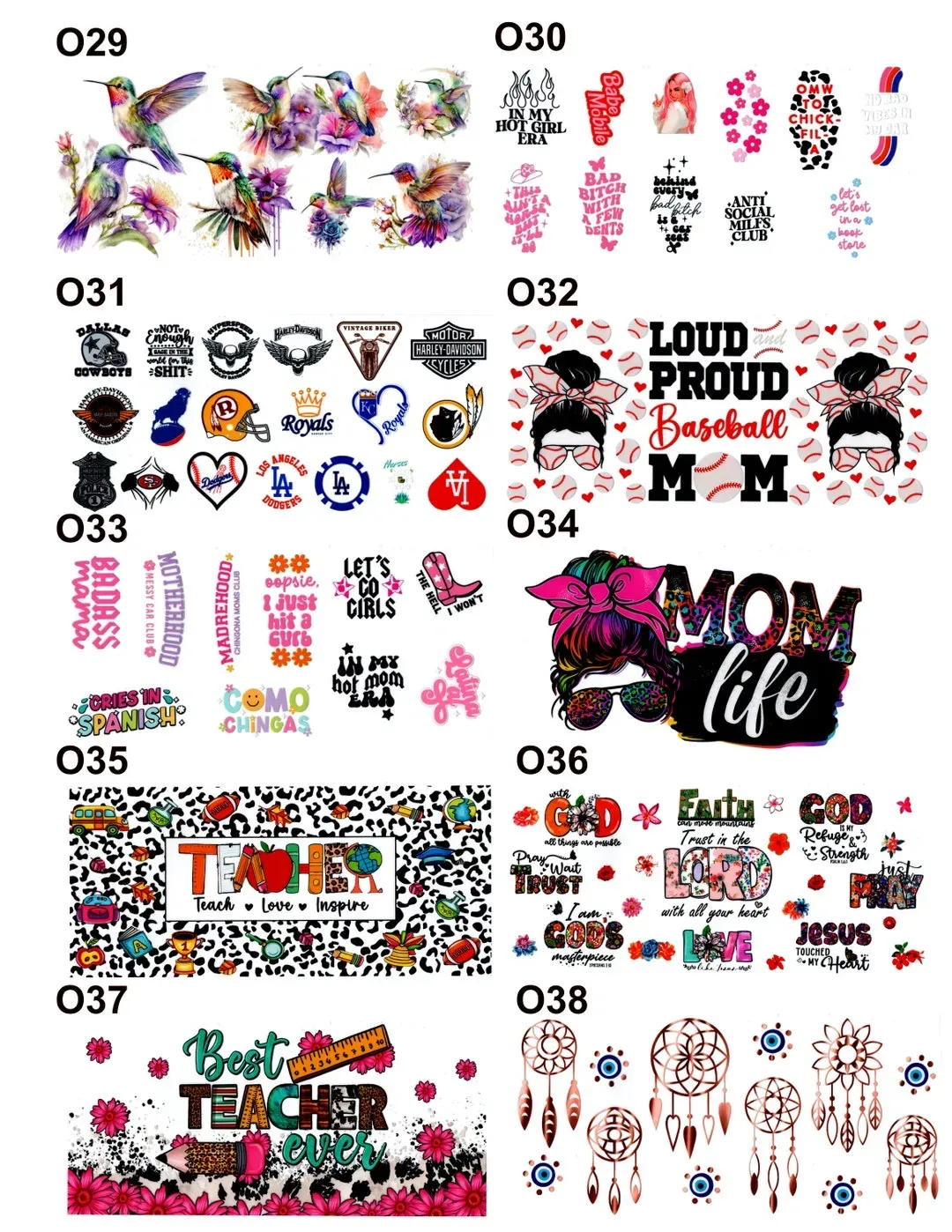
UV DTF transfers design ideas are reshaping how brands approach bold graphics for apparel. This guide explores why UV DTF transfers deliver vibrant transfer designs for apparel that pop on both light and dark fabrics. By combining UV printing on fabrics with efficient heat transfer techniques, designers can achieve high fidelity and faster prototyping. You’ll find ideas that range from photoreal textures to typographic art, designed to maximize color saturation and wash durability. Whether you’re a small brand owner or a DIY enthusiast, these concepts show how DTF transfer design ideas can scale across collections.
Reframing the topic with alternative terms, you can describe these techniques as UV-curable garment graphics and digital-to-film transfers that suit a range of fabrics. From the perspective of LSI, phrases like digital textile printing, fabric transfer methods, and color-accurate all-over prints convey the same idea in diverse search contexts. Ultimately, the goal remains the same: vibrant, durable visuals achieved through careful substrate choice, precise color management, and reliable curing processes.
UV DTF transfers design ideas for Modern Apparel that Wow
In today’s competitive apparel space, leveraging UV DTF transfers design ideas can elevate a brand by delivering vibrant transfer designs for apparel that pop from the first glance. By combining high-resolution artwork with the durability of DTF transfer technology, you can create looks that feel premium and wear well over time. This approach is especially effective for fashion-forward drops, event collections, and limited runs where color fidelity and edge clarity matter. As you plan, focus on visuals that exploit the strengths of UV inks—rich saturation, sharp details, and a tactile finish that enhances perceived value.
Executing these ideas starts with choosing UV printing on fabrics as your primary method. Pay attention to underbase strategies for dark garments to ensure color brightness stays intact, and map out a clear layer order to prevent color bleed. Heat transfer techniques, including precise timing and even pressure, are essential to preserve gloss, texture, and color integrity across different fabric blends. With a thoughtful workflow, UV DTF transfers design ideas can translate into consistent, premium merchandise across product lines.
Maximizing Color Realism with UV Printing on Fabrics
UV printing on fabrics enables photoreal textures and micro-details that elevate apparel beyond typical screen-printed results. When you pair UV DTF transfers with high-fidelity images, you unlock the potential for vibrant transfer designs that read like miniature photographs on fabric. This is ideal for product photography-backed visuals, nature studies, and lifestyle motifs where subtle gradients and fine line work must remain crisp after washing.
To realize these effects, start with meticulous file prep—aim for 300–600 dpi at the final print size and ensure color management across devices. Calibrate your monitor, printer, and heat-press settings to maintain color accuracy from screen to garment. Align the curing process with the ink system and garment substrate to prevent cracking, while using the appropriate pressing temperature and duration to maximize adhesion and wash durability.
Layered Finishes: Gloss and Matte with DTF + UV Transfers
Layered finishes introduce depth without adding garment weight. By combining high-gloss UV finishes with matte base elements, you can create focal points that feel premium and catch the eye from a distance. This technique aligns with DT F transfer design ideas that emphasize contrast and tactility, making an emblem pop while surrounding details remain understated. Properly planned, gloss and matte areas help guide the viewer’s eye and reinforce brand identity.
When implementing these effects, carefully map out which regions will receive gloss coatings or seals and how shadows or outlines interact with the underlying artwork. Clean file organization—ordered layers, correct bleed, and separate color channels—ensures clean separation during printing and transfer. Use calibrated heat-press settings to cure each layer properly, maintaining edge definition and preventing delamination over multiple wash cycles.
Negative Space and Transparent Overlays for Modern Tees
Incorporating transparent overlays and negative space can create a modern, airy aesthetic while reducing ink coverage. This strategy supports efficient production and aligns with UV printing on fabrics by allowing underlying garment color to influence the final look. Negative-space designs are also a smart way to feature logos or typography with emphasis, using transparent elements to breathe and maintain legibility across colorways.
During proofing, simulate transparency and test overlays on multiple fabric colors to verify contrast and readability. Clear communication of layer order and color channels is critical for successful multi-layer transfers. By validating these elements early, you can prevent misregistration and ensure the final product maintains the intended visual balance across varying garment tones.
Bold Geometry and All-Over Coverage with UV Transfers
Abstract geometry and bold color blocking translate well into all-over prints and signature collections. Clean lines paired with selective organic curves keep designs fresh while maximizing impact from a distance and up close. For UV transfers, ensure that overlapping shapes don’t create unintended color bleed by reviewing layer order and edge definitions. This approach supports scalable UV printing on fabrics across product lines while delivering vibrant, cohesive branding.
All-over coverage requires testing across fabric weights to ensure consistent transfer quality and wash durability. Curate palettes that align with seasonal themes and verify repeat scales for the garment size. By combining UV DTF transfers with careful substrate preparation and curing, you can achieve uniform color saturation, crisp edges, and a premium finish that stands up to daily wear.
On-Demand Personalization with Customizable DTF Transfers
Personalization is a powerful driver of engagement and perceived value. DTF transfer ideas built around customization—such as initials, names, or color-palette tweaks—can dramatically boost appeal without complicating production. This strategy dovetails with vibrant transfer designs for apparel by offering unique variants within a streamlined workflow, making it feasible to offer on-demand runs with UV transfers.
Implementing on-demand customization requires a scalable process: modular base graphics, clearly defined color palettes, and flexible color-channel management. Streamline proofing and sampling to minimize reprints, and ensure your heat transfer techniques accommodate frequent changes without compromising quality. Clear care instructions post-press help maintain color vibrancy and transfer longevity, supporting repeat purchases and long-term brand loyalty.
Frequently Asked Questions
What are UV DTF transfers and how do they enable vibrant transfer designs for apparel?
UV DTF transfers combine digital design with direct-to-film application and UV curing to lock in color, sharp edges, and photographic detail. They deliver high fidelity, versatility across light and dark fabrics, and durable finishes ideal for vibrant transfer designs for apparel. For best results, prepare artwork at 300–600 dpi, manage color carefully, and ensure proper curing for wash-fast durability.
How can gradient and ombre effects be achieved using UV printing on fabrics with UV DTF transfers design ideas?
Gradient and ombre effects are built into UV DTF transfers design ideas by blending colors with precise edge control in UV printing on fabrics. Use high-contrast mid-tones, plan a light underbase for dark garments, and maintain color management to avoid muddy transitions. Test proofs and monitor readability, especially if typography is included.
What are best practices for reproducing photoreal textures and micro-detail with UV DTF transfers design ideas?
UV DTF transfers excel at photoreal textures and micro-detail. Aim for artwork in 300–600 dpi at final print size, use high-resolution images, and leverage wet-look gloss to simulate depth. Calibrate color management and curing to preserve detail across fabrics, and proof samples before production.
How do you create layered depth and subtle drop shadows in DTF transfer design ideas while following heat transfer techniques?
Create depth by layering elements with soft drop shadows and offset outlines as part of the DTF transfer design ideas. Keep file organization clean (layers, bleed, color channels) to ensure clean separation. Follow heat transfer techniques for the correct temperature, pressure, and pressing duration to maximize adhesion and durability.
What should you consider for all-over prints and customizable on-demand designs with UV DTF transfers?
All-over prints enable signature looks when using UV DTF transfers. Curate palettes aligned with collections and test repeat scales for consistency across garment sizes with UV printing on fabrics. For on-demand customization, offer initials or color tweaks within clear design rules to boost engagement while preserving production efficiency.
What common mistakes should be avoided to maintain color fidelity and durability with UV DTF transfers design ideas?
Avoid low-resolution artwork, inconsistent underbase on dark fabrics, overcrowded designs, inadequate curing, and misaligned layers in UV DTF transfers design ideas. Use high-resolution files, correct layer order, proof colors, and follow manufacturer heat press guidelines for temperature, time, and pressure, plus proper post-press care.
| Topic | Key Points |
|---|---|
| Introduction | In today’s crowded apparel market, bold, high-quality graphics are essential. UV DTF transfers provide a versatile, premium look and durable wear. This article explores UV DTF transfers design ideas, explains why these techniques work, and offers practical how-tos for UV printing on fabrics and DTF transfer processes. |
| Understanding UV DTF Transfers | UV DTF transfers combine digital design precision with durable direct-to-film transfers that are heat-pressed onto fabrics. The UV curing locks in color with sharp edges and high saturation, making designs pop on cotton tees to poly blends. This approach emphasizes vibrant color, fine detail, and a premium tactile finish, ideal for fashion-forward collections, event-themed apparel, and limited-edition drops where color fidelity and wash-fast durability matter. |
| Why designers love UV DTF transfers for apparel | – High fidelity: Crisp lines, subtle gradients, and photographic detail that rival direct-dyed prints. – Versatility: Works on light and dark garments; dark fabrics often benefit from a white underbase. – Durability: Proper curing and finishing yield transfers that resist cracking and fading. – Speed and efficiency: Digital design workflows shorten prepress steps for faster prototypes and launches. |
| 10 Creative Design Ideas for UV DTF Transfers (and how to execute them) | Idea 1: Gradient and ombre blends across the garment; Idea 2: High-gloss and matte finishes; Idea 3: Photoreal textures and micro-detail; Idea 4: Layered depth with subtle drop shadows; Idea 5: Abstract geometry and bold color blocking; Idea 6: Typographic art and expressive lettering; Idea 7: Transparent overlays and negative space; Idea 8: Nature-inspired micro-prints and textures; Idea 9: All-over prints with curated palettes; Idea 10: Customizable, on-demand designs. |
| Practical tips for turning these ideas into successful UV DTF transfers | – File prep and resolution: Vector artwork and 300–600 dpi raster elements. – Color management: Calibrate monitor, printer, and heat press for color accuracy. – Substrate compatibility: Test on cotton, blends, and darker fabrics with appropriate underbases. – Temperature and time: Follow heat-press guidelines for adhesion and durability. – Post-press care: Provide care instructions to maintain vibrancy and longevity. – Proofing and sampling: Create color proofs and small runs before full production. |
| Common mistakes to avoid | – Poor resolution or blurry images; use high-resolution files. – Inconsistent color underbase on dark garments. – Overcrowded designs reducing readability. – Inadequate curing causing cracking. – Misaligned layers leading to misregistration. |
| Case studies and examples | – Streetwear line used photoreal UV DTF textures with glossy finish, boosting online engagement by ~20% and average order value by ~15% during a seasonal drop. – Athletic brand tested gradient fades across tees/leggings, achieving consistent saturation and improved wash durability due to optimized heat press timing. – Boutique label launched a customizable line with 3–5 color palettes per design, speeding production and raising customer satisfaction through personalization. |
| Conclusion | UV DTF transfers offer a versatile and effective way to realize 10 creative design ideas that wow customers. By combining sharp color reproduction, durable finishes, and thoughtful composition, designers can deliver apparel that looks premium and performs well in real-world use. The key is a deliberate process: from precise file prep and color management to careful substrate selection and proper curing. As you experiment with UV printing on fabrics and DTF transfer techniques, you’ll discover which ideas resonate with your audience and how to scale them across product lines while maintaining quality and profitability. |